
Basic swimming
Being comfortable and controlled in the water is a helpful starting point.
YOUR FIRST DIVE
What to expect before your first training session: the basics, equipment and how the game begins to make sense.
BEFORE YOU START
Being comfortable and controlled in the water is a helpful starting point.
Short, calm dives develop over time. You are not expected to stay underwater for long on your first day.
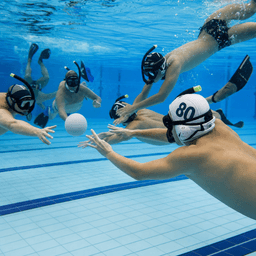
Underwater Rugby is a coordinated team sport, not an individual challenge.
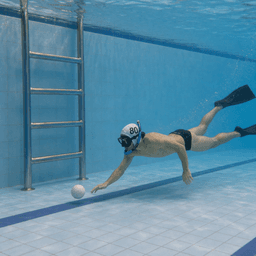
The first sessions focus on foundations. Skills build gradually with regular practice.
YOUR FIRST DAY
Your coach introduces the game, pool procedures and safety expectations.
Swimming and fin exercises help you move comfortably in the pool.
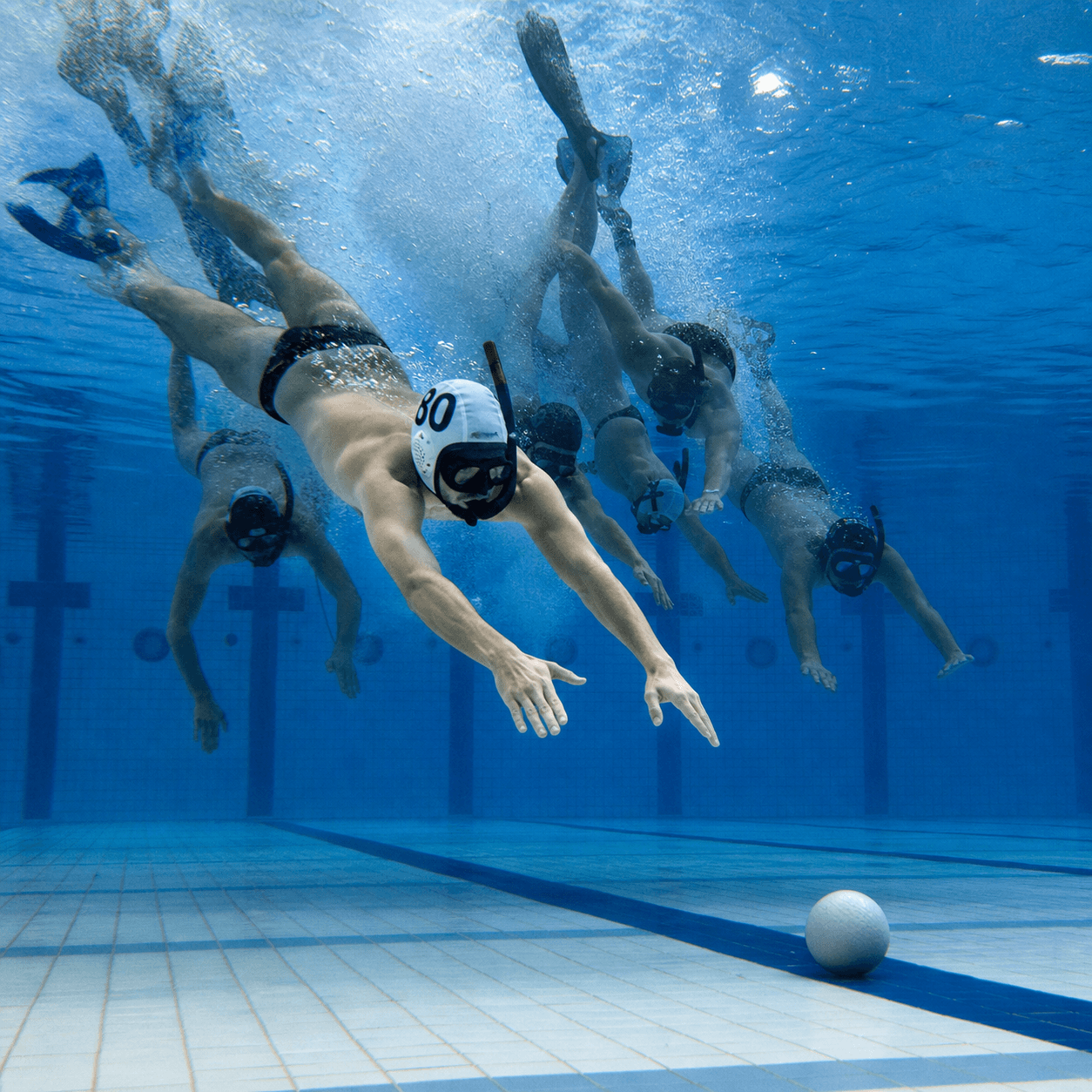
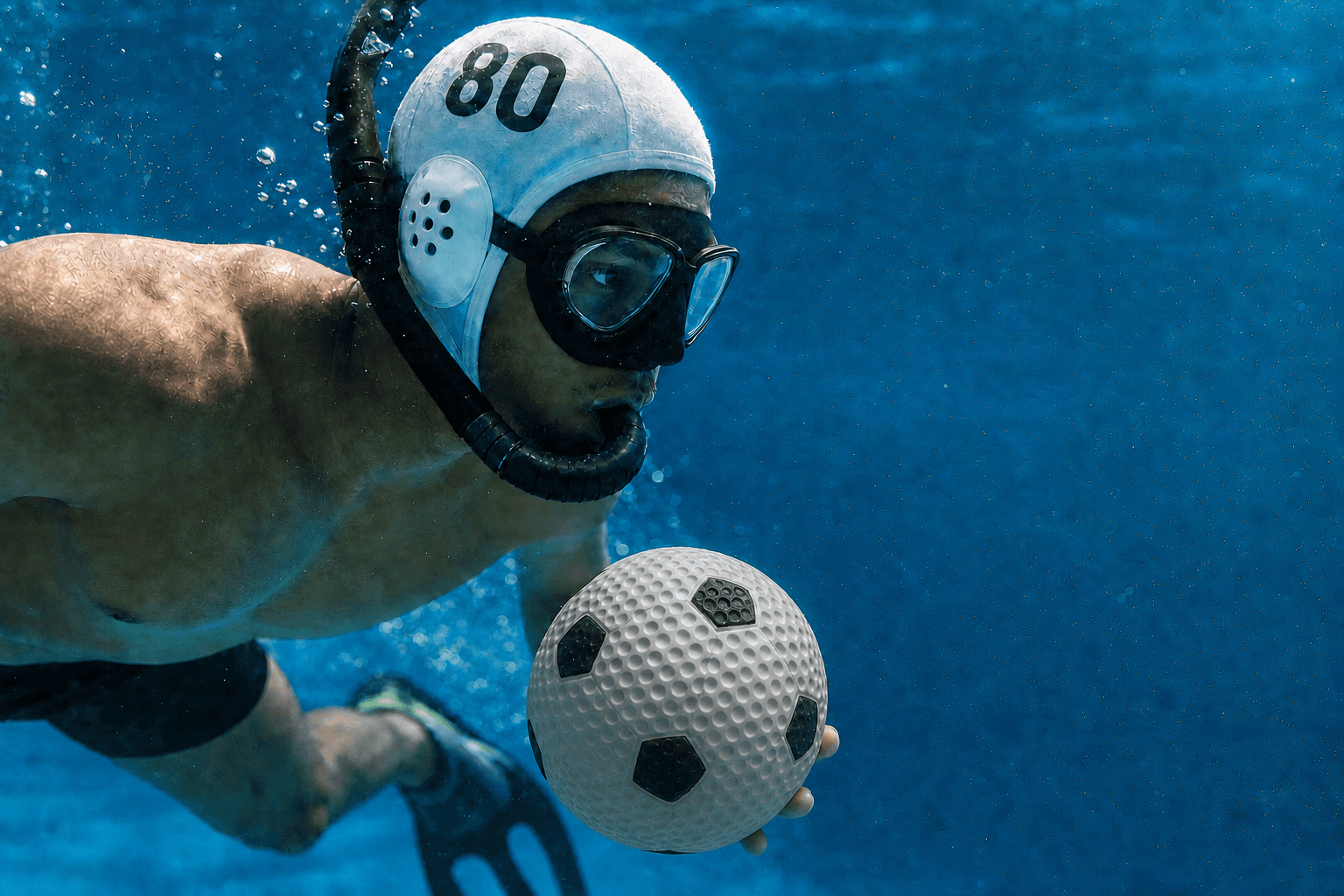
You practise using a mask, snorkel and fins in a controlled setting.
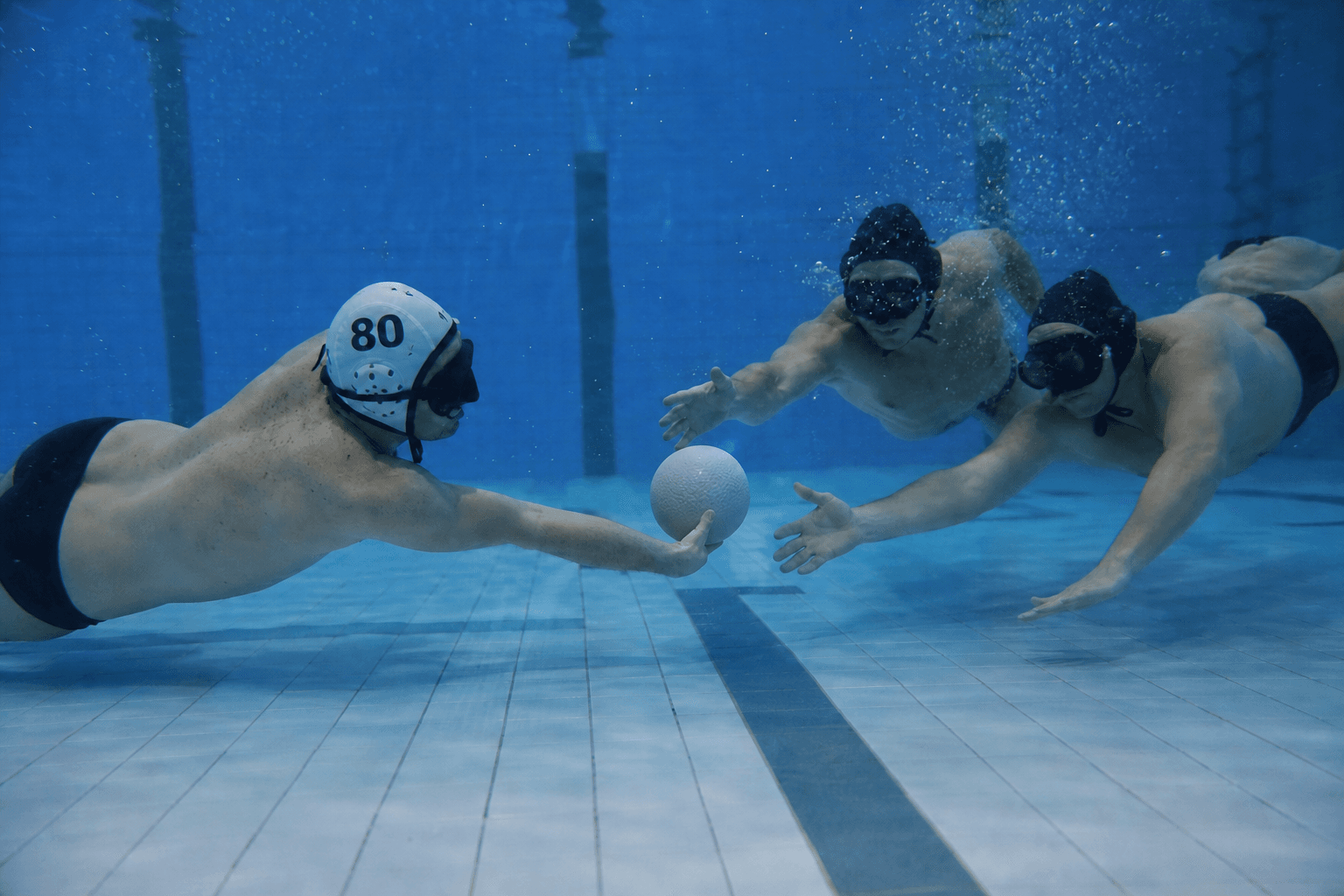
Short dives, direction changes and simple passing drills come next.
Later in the session, the group may try a small, coach-led game scenario.
PREPARATION
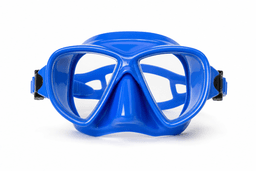
Helps you see clearly underwater.
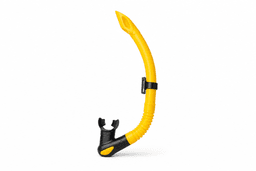
Used for breathing at the surface.
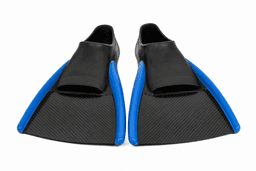
Support movement, speed and direction control.
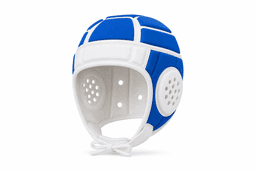
Helps distinguish teams and supports safer play.

It sinks because it is filled for underwater play.
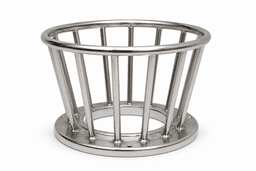
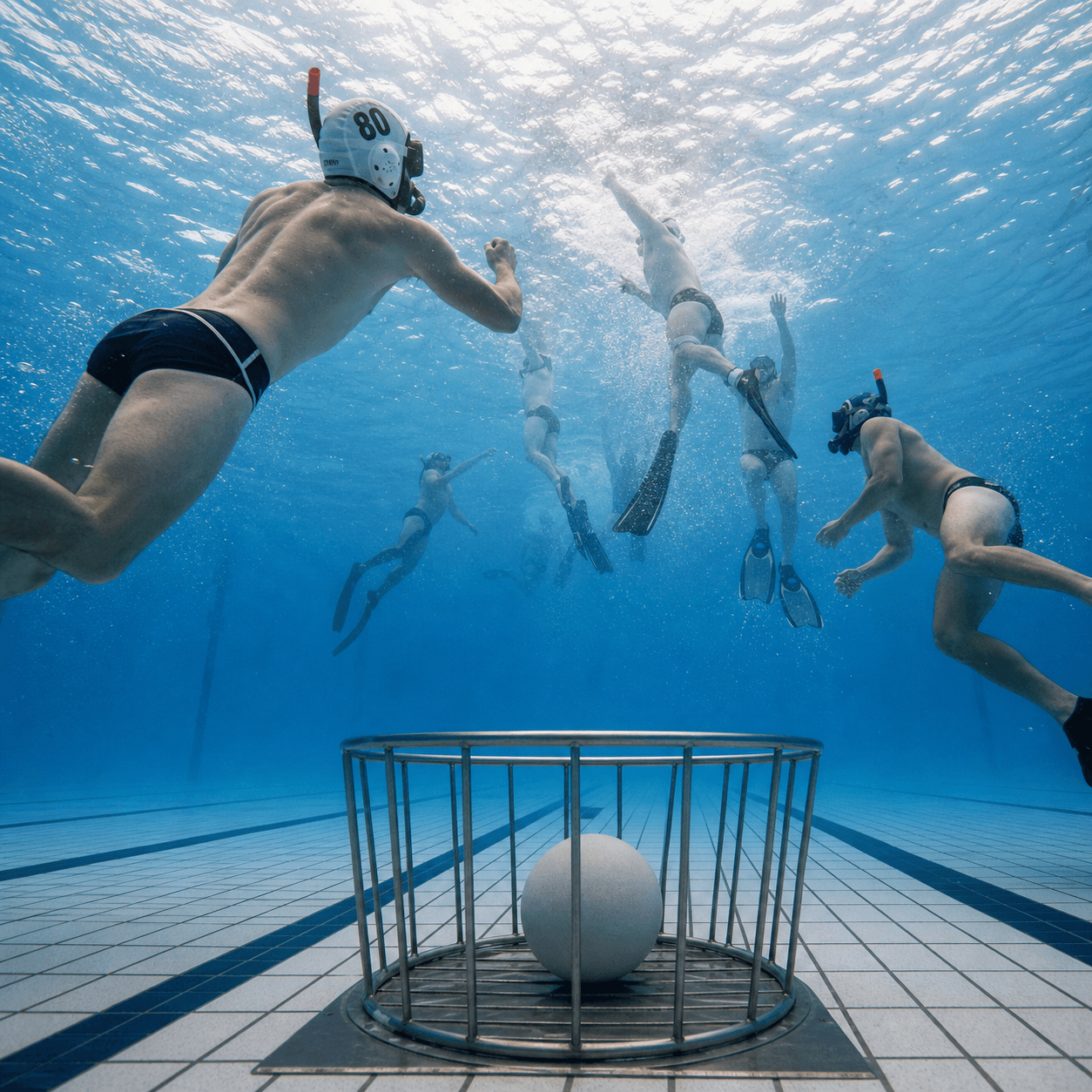
This is the scoring target.
MOVEMENT FOUNDATIONS
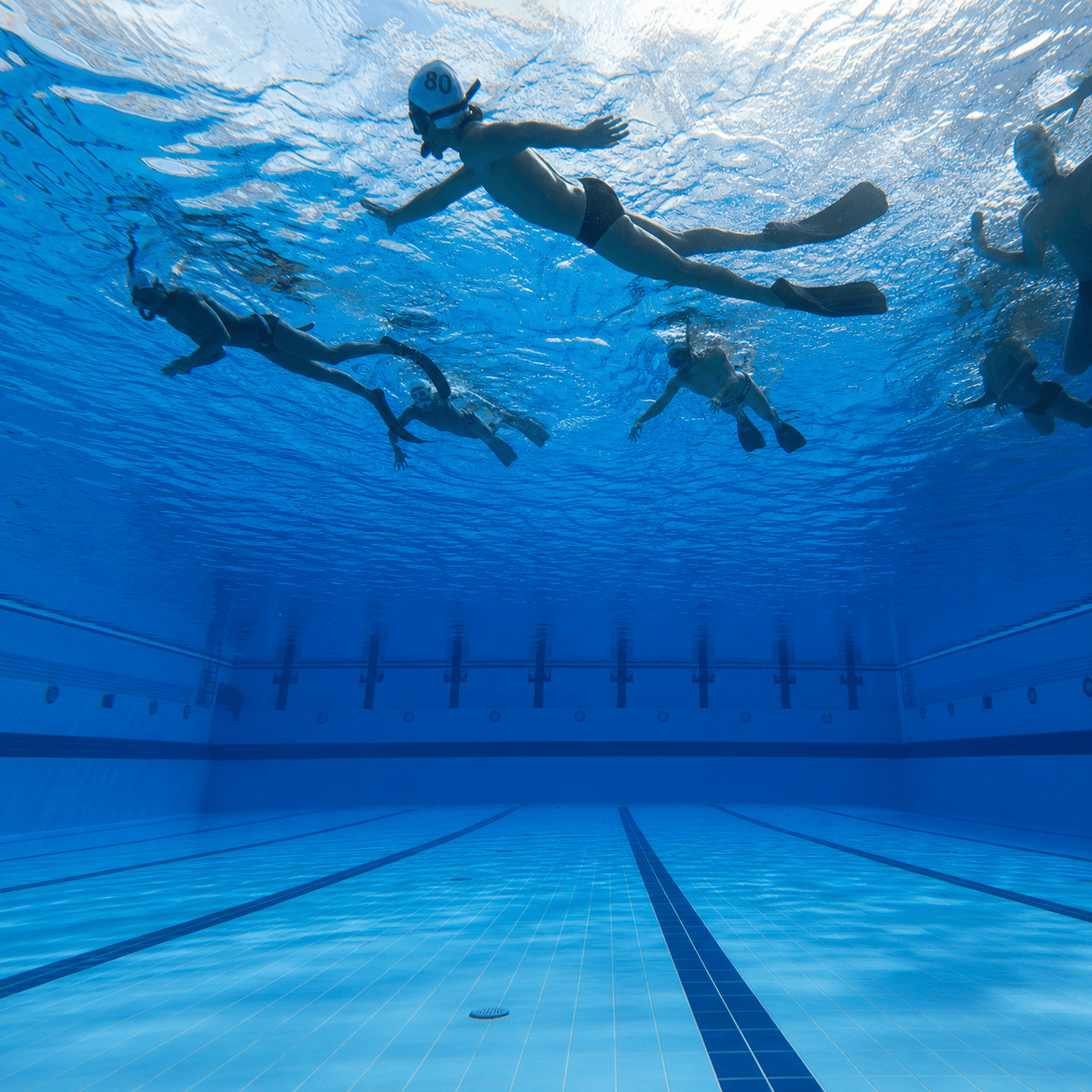
Breathe, observe the game and prepare to dive at the right moment.
Join play with short, balanced dives rather than rushing or forcing depth.
Use fins to turn, accelerate and find a useful position.
Protect it, pass it or create space for a teammate.
Surface in a controlled way whenever you need to recover.
GAME FLOW
Move toward the ball
→Find a teammate
→Pass underwater
→Work around the defence
→Approach the basket
→Choose pass or shot
→Surface when needed
→Change when appropriate
THE RHYTHM OF THE GAME
Underwater Rugby is fast-paced. Timely changes help players manage breathing, energy and their role in the team.
A CALMER START
AVOIDTrying to hold your breath for too long
TRY THIS INSTEADBegin with short, controlled dives
AVOIDFollowing the ball all the time
TRY THIS INSTEADWatch your position and the open space
AVOIDOnly looking at the pool floor
TRY THIS INSTEADUse the full three-dimensional playing area
AVOIDLeaving a change too late
TRY THIS INSTEADChange before you are completely tired
AVOIDTrying new equipment in a match
TRY THIS INSTEADLearn the basics of each item first
AVOIDTrying to do everything on day one
TRY THIS INSTEADProgress gradually and follow your coach’s guidance
READY CHECK
SAFE BEGINNINGS
Learning Underwater Rugby takes patience and regular practice. Qualified coaching, club procedures and supportive teammates help new players build familiarity without promises about medical fitness or performance.
NEXT STEP
Once you understand the basics, the best next step is a supervised session with a club.