
Bring the personal basics
- ›Ask about a mask, fins and suitable swimwear.
- ›Choose fit and comfort over appearance.
- ›Use only gear you can control confidently.
START WITH THE RIGHT BASICS
Build a simple, safe starting setup with your club. Comfort, fit and current session guidance matter more than buying a lot at once.
FIRST SESSION PREP
Start with what you can use safely and comfortably. Your club can explain what it provides, what to bring, and what can wait.
EQUIPMENT GUIDE
These are practical starting points, not a shopping list or a substitute for club, federation or event requirements.
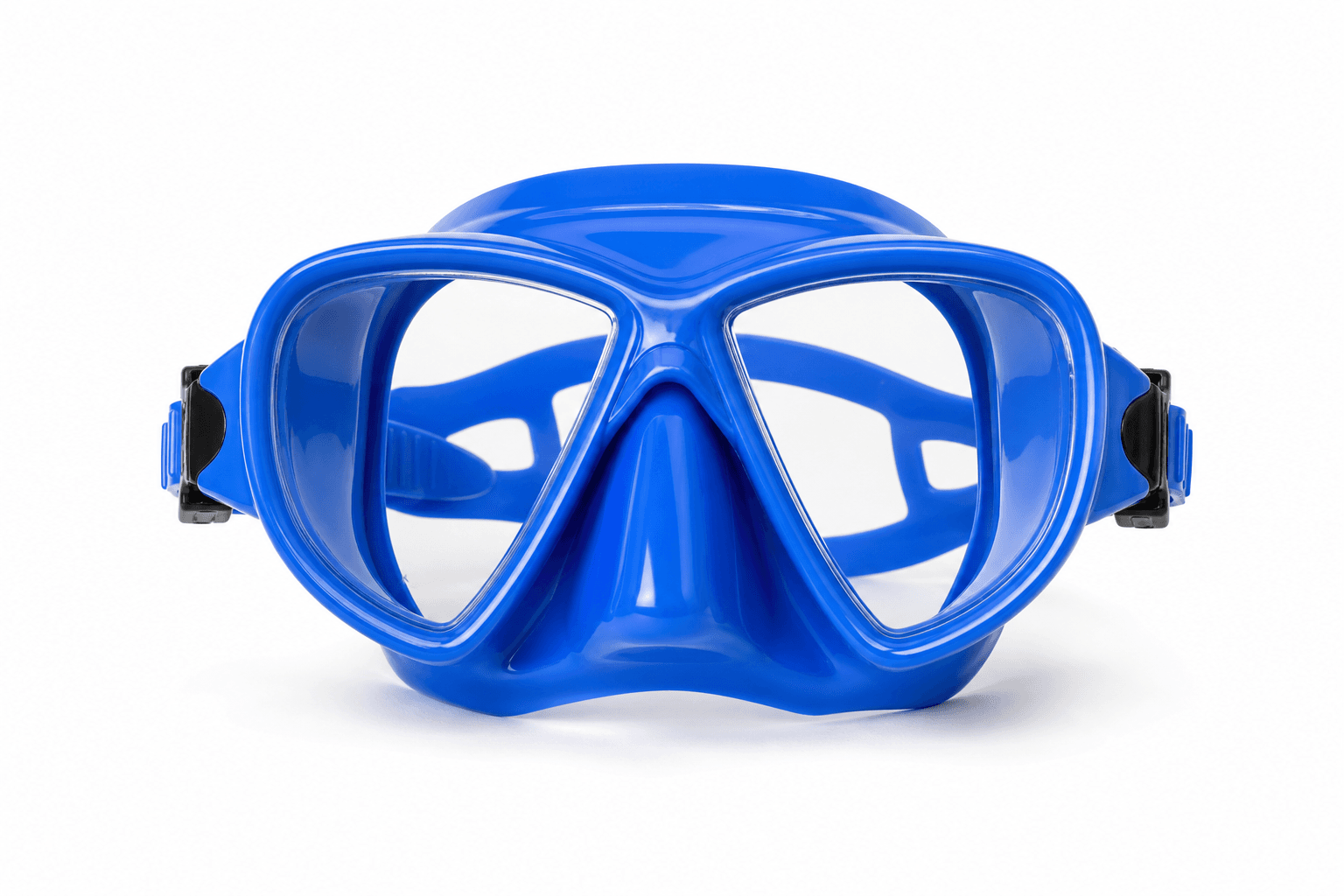
A well-fitting mask helps you follow the ball, your teammates and the space around you underwater.
Clear, comfortable vision
A secure seal without uncomfortable pressure
Check the strap, frame and edges before use
Ask your coach to check the fit for early sessions.
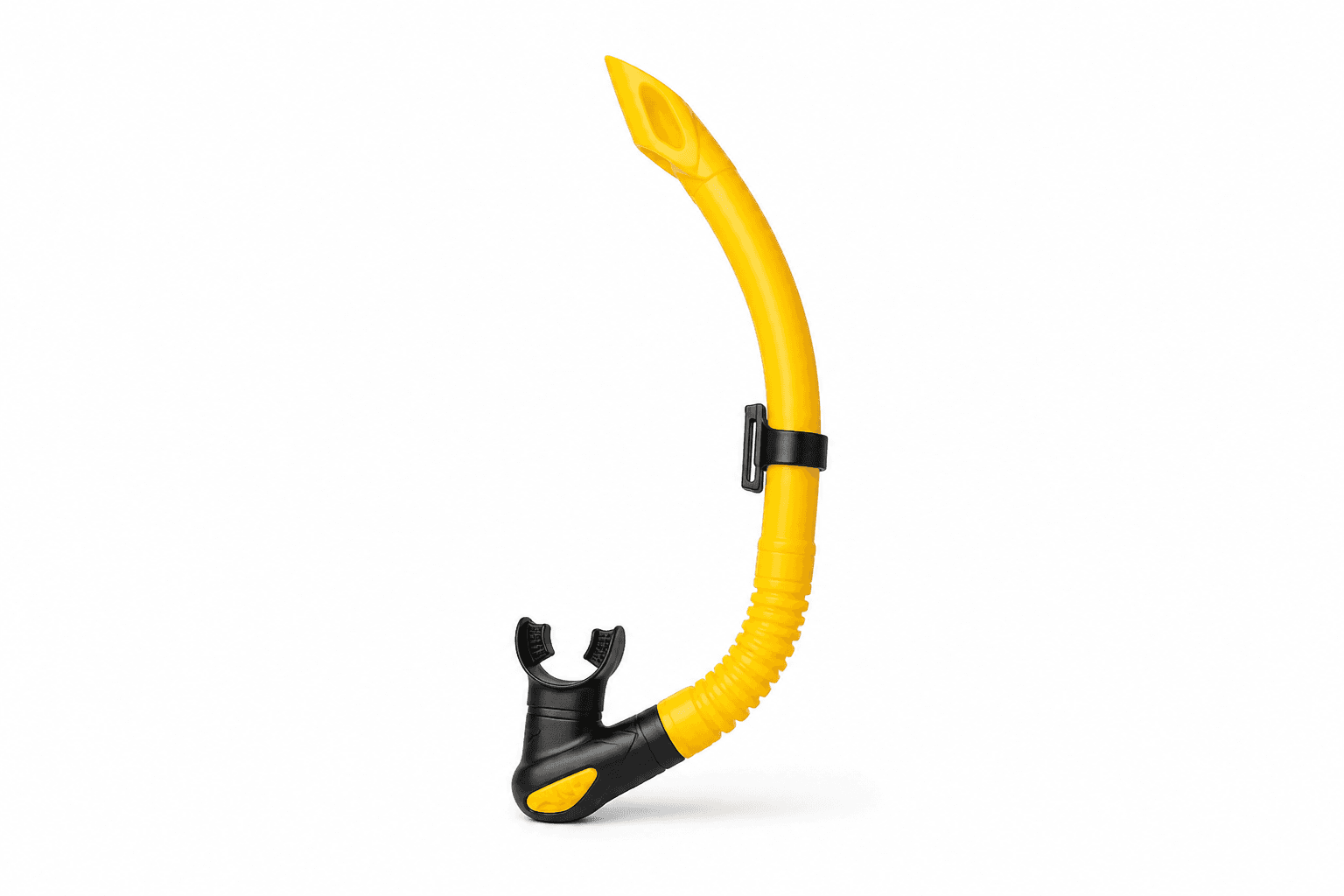
A snorkel can make surface recovery more comfortable between underwater efforts. It is not a substitute for safe, coached practice.
Surface breathing between efforts
A mouthpiece you can hold comfortably
Keep it simple, secure and free of sharp edges
Your club can advise whether it is useful for your session.
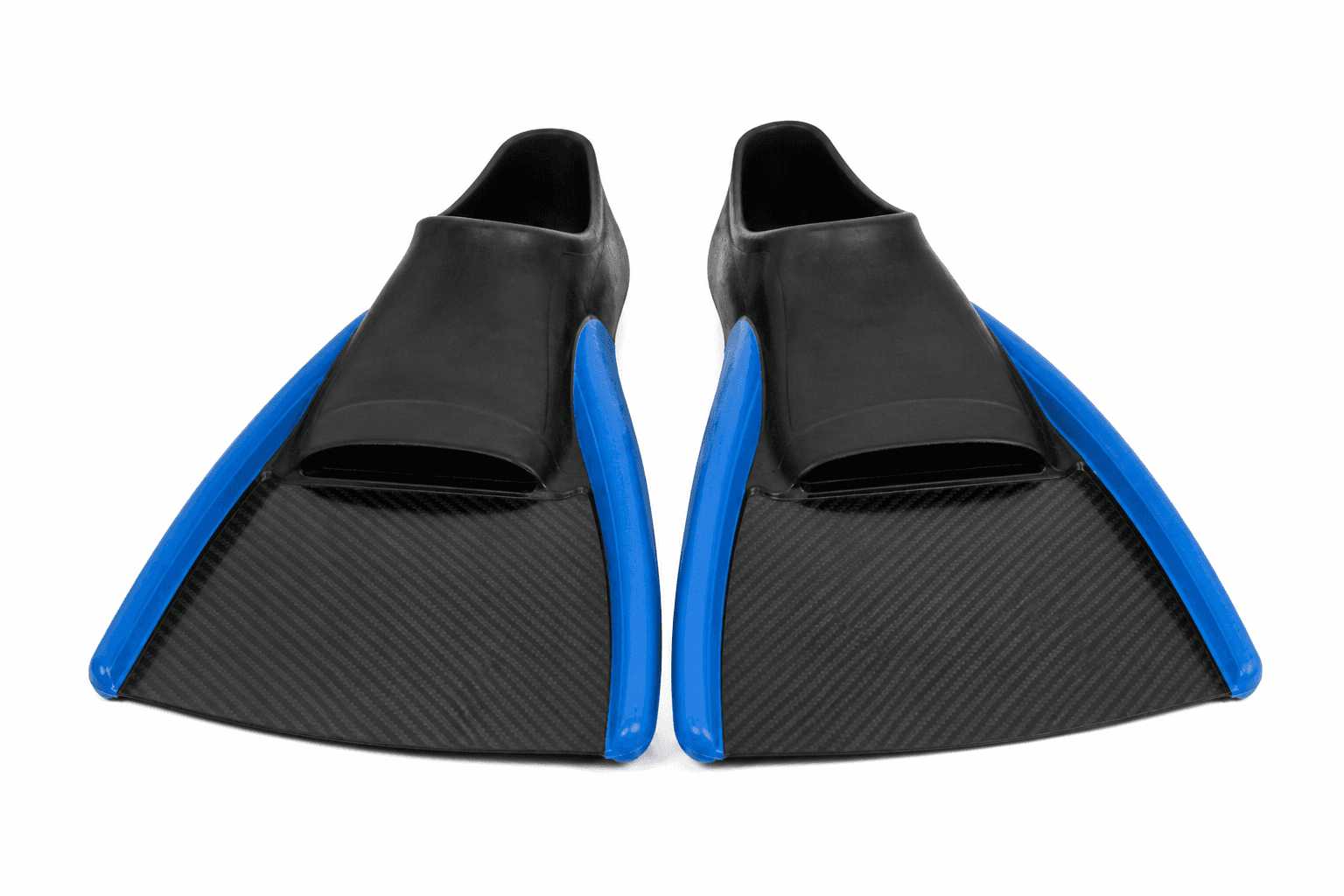
Fins provide propulsion and control for diving, changing direction and moving through the three-dimensional playing area.
Controlled movement and positioning
A fit that is firm but not painful
Inspect for cracks, damage and unsafe edges
Try the club’s guidance before choosing your own pair.
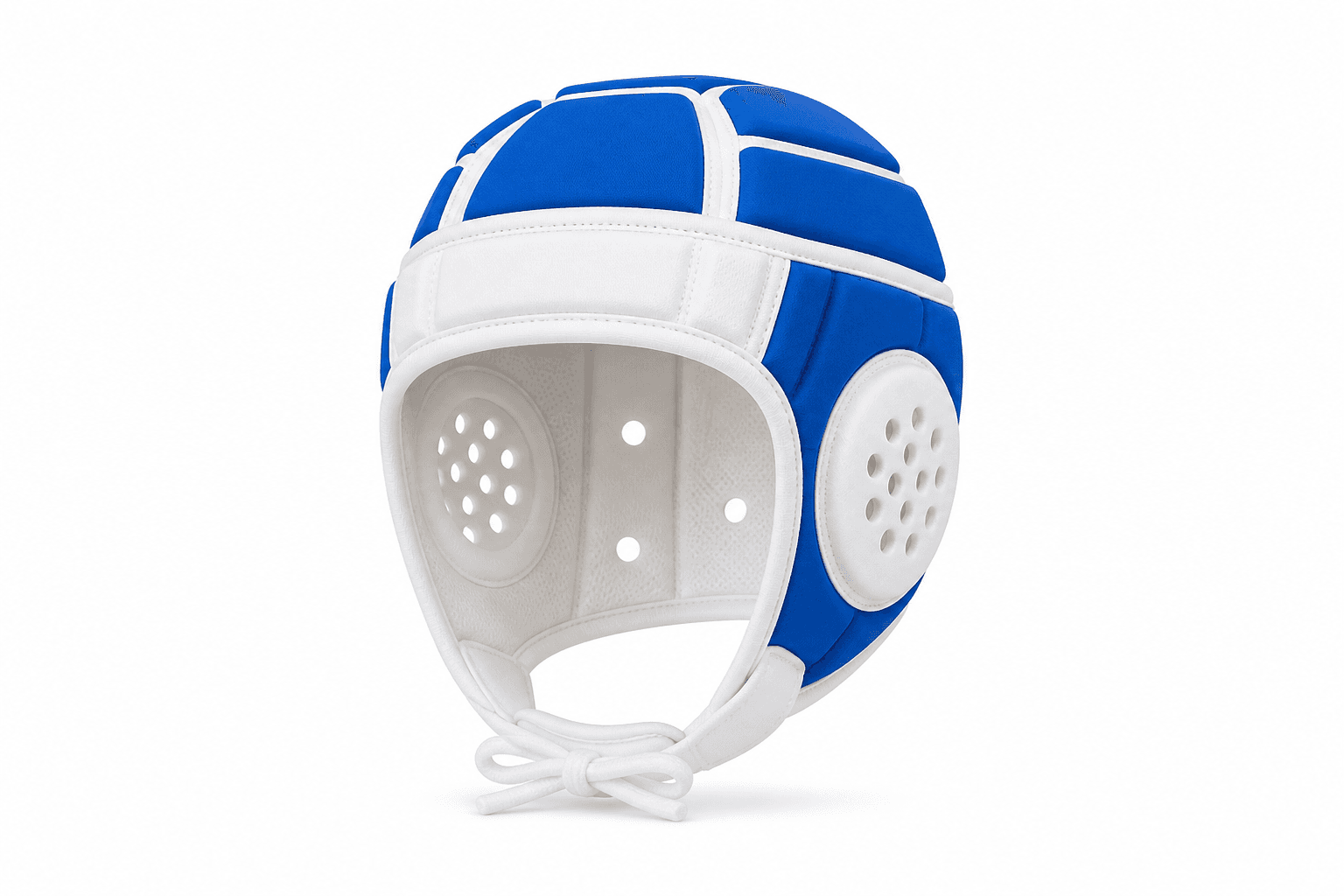
The protective cap helps protect the ears and makes player numbers and teams easier to identify.
Ear protection and team identification
A stable fit that stays in place
Keep ear protectors and fastenings intact
Confirm team colour and number arrangements with your club.
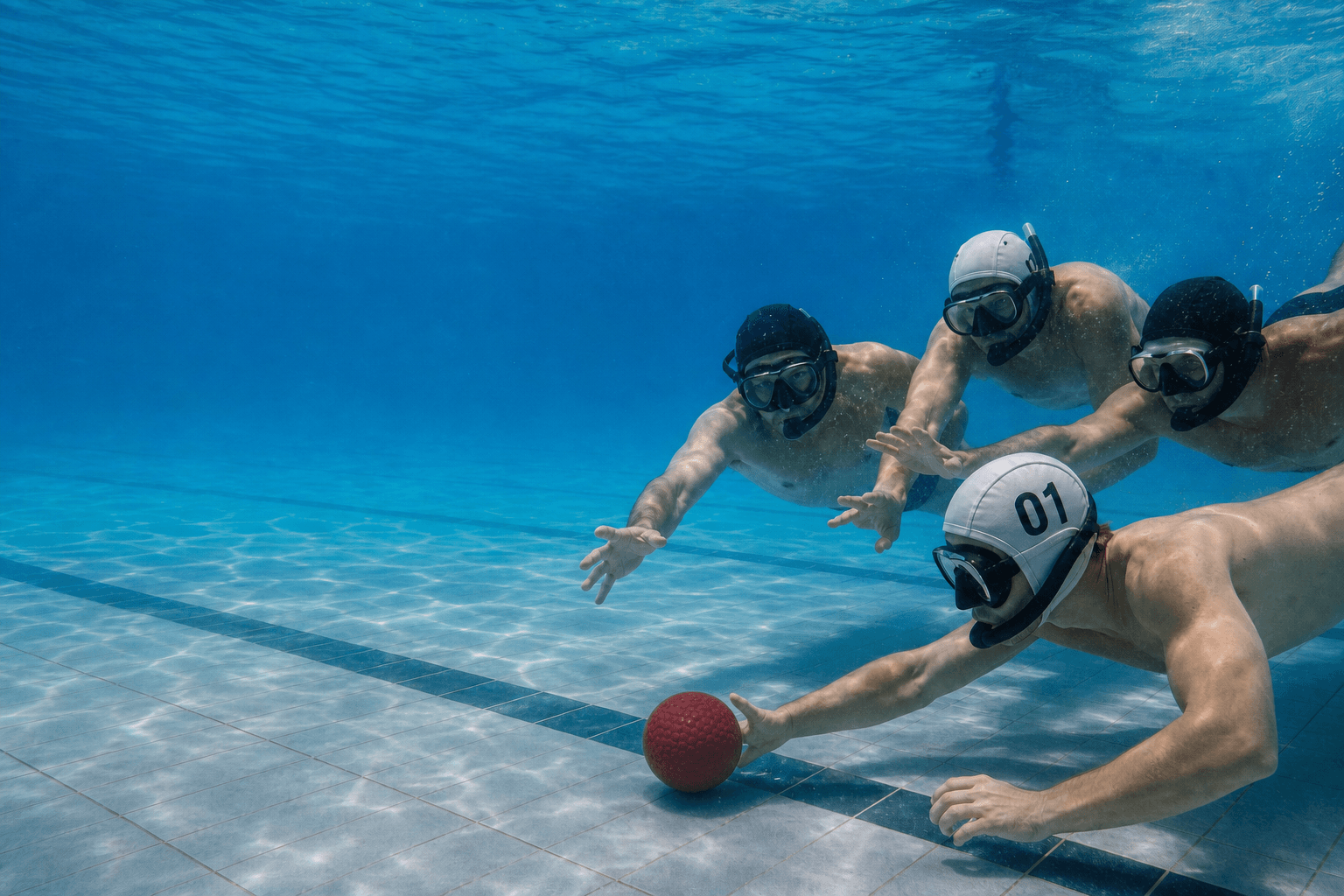
Secure swimwear supports unrestricted movement and clear light-versus-dark team identification.
Comfortable, secure movement
Close-fitting without restricting motion
Avoid loose pieces that can catch or shift
Check your club’s teamwear expectations before an event.
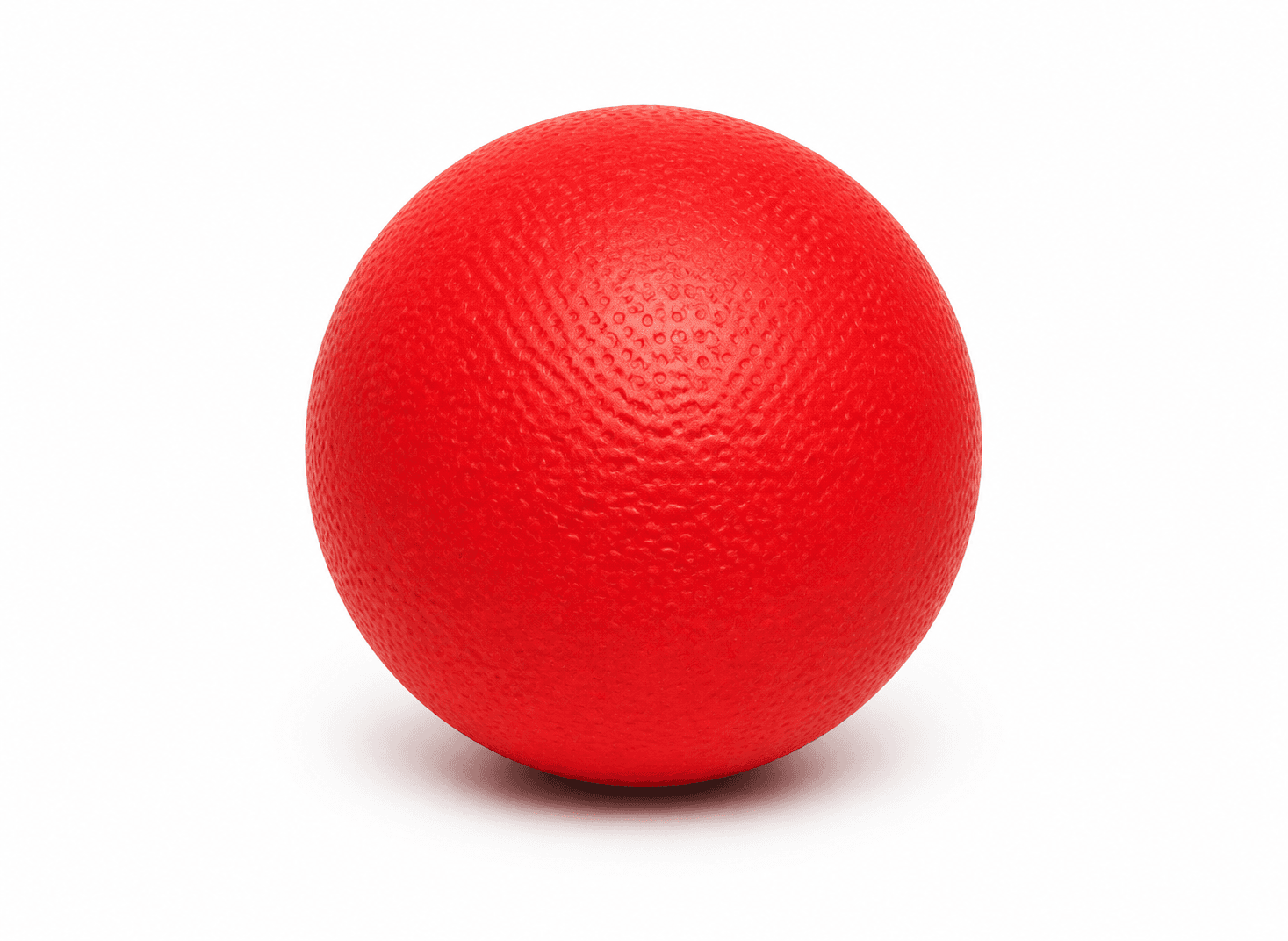
The game ball is prepared to sink and is normally supplied, checked and managed by the club or organiser.
Passing and scoring below the surface
Not a personal purchase for beginners
Leave preparation and checks to the responsible team
Learn with the ball your coach provides.
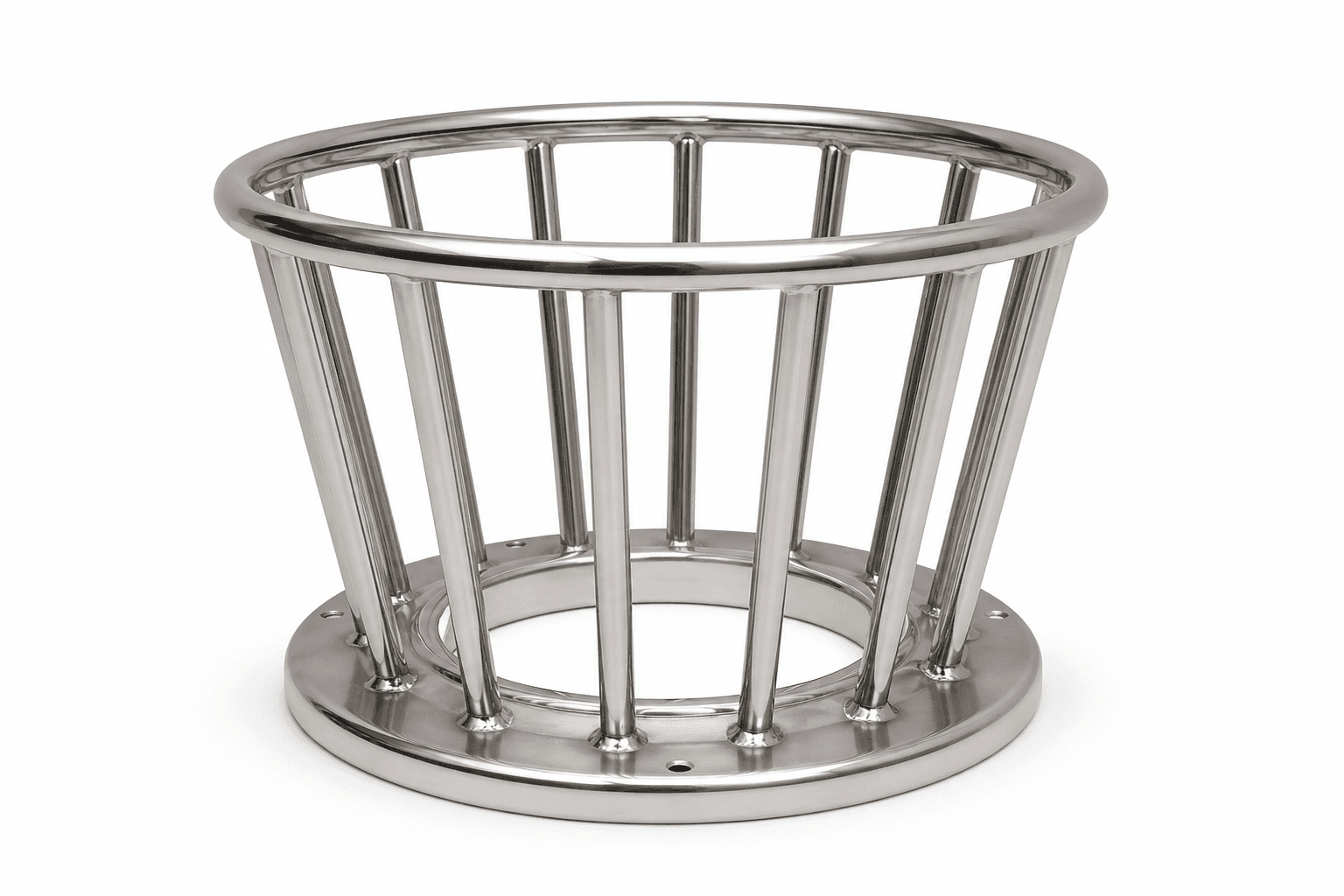
A club may introduce additional training aids or permitted protective items for a particular session. They are not automatic purchases.
Coach-led support for a specific session
Only equipment approved for your use
It must stay secure and must not create a hazard
Ask before bringing or buying anything extra.
SAFETY IN 60 SECONDS
Equipment supports safe participation; it does not promise comfort, performance or medical suitability. Raise concerns with your coach and, where appropriate, a qualified health professional.
COMMON MISSTEPS
AFTER THE SESSION
OFFICIAL READING
Use official sources and your organiser’s current documents for competition-specific decisions.
Rules and event documents can be updated. Always use the version specified by your club, federation or competition organiser.
READY TO TRY A SESSION?
A local club is the best place to understand the pool, the equipment available and the expectations for a supervised first session.